Cultural Tapestry of Farewell: Cultural Traditions and Social Fabrics of Indian Funeral Customs
Wiki Article
Within the vibrant subcontinental heritage of India, customs dedicated to celebrating a completed life stand as a timeless testament to community devotion. Across every regional territory, the rites dedicated to paying final respects combine artistic beauty, historical reverence, and communal harmony. Rather than focusing merely on loss, these customs serve as a vital cultural bridge, uniting relatives, honoring elders, and passing down timeless values. The immediate hours following a person's passing are spent in thoughtful, dignified preparation. Loved ones lovingly execute time-honored home traditions preserved within family lines. The individual is adorned in clean, elegant garments representing local artistic styles. In many traditions, classic white attire is selected, representing equality, calm reverence, and timeless grace. Among various ethnic lineages, festive cultural cloths are chosen to honor the individual's age, social role, or lineage. Fresh blossoms and natural garlands form a central element within these home observances. Artistically woven wreaths of sweet jasmine, brilliant marigolds, and fresh roses are layered gracefully upon the resting platform. These colorful arrangements represent more than mere visual beauty; they represent the vibrant beauty of life and the honor bestowed by the family. The delicate use of natural sandalwood, rosewater, and native herbs ensures an environment of supreme dignity, freshness, and cultural charm. Among the most celebrated social features of these traditional farewells is the solemn walk of honor from the household to the local ceremonial grounds. Understood as a public gesture of unity, this peaceful walk along shared streets turns family sorrow into a dignified public tribute. Community members, distant relatives, and lifelong friends assemble outside the domestic residence, wearing simple white traditional attire to demonstrate solidarity and visual harmony. The rested individual is borne on a handmade platform made from natural bamboo, adorned with fresh green leaves, traditional woven textiles, and rich floral garlands. As the walk progresses toward the resting destination, participants share the responsibility of bearing the weight. This physical act of sharing the weight is a profound gesture of communal respect, symbolizing that no family carries the weight of a farewell alone. In many regions, soft rhythmic beats from local instruments or classic brass arrangements guides the walkers, establishing a solemn and respectful mood that informs the local district of a completed life journey. Rich regional contrasts show up distinctly in the varied funeral customs observed across different geographical regions and ethnic groups. Although the foundational principles of hospitality and honor are shared everywhere, the visual and artistic details differ wonderfully from north to south, and east to west. Once the initial rites conclude, subcontinental tradition observes a dedicated period of domestic hosting, typically lasting between ten and thirteen days. Throughout these days, the family home becomes an open sanctuary for neighbors, extended family lines, and well-wishers who travel from afar to offer condolences and pay their respects. Receiving guests with warmth remains a top priority. Simple, nutritious vegetarian meals are prepared daily in large quantities so every guest is comfortably welcomed and nourished. This practice of joint dining creates strong emotional bonds, helps visitors reflect on the individual's positive contributions, allowing the neighborhood to take care of all domestic chores for the family. The closing of the formal hosting phase features a generous community gathering. Senior relatives recount the person's life history, good deeds, and values, passing down valuable life lessons to youth. Selfless acts of service—such as donating clothing to community members, distributing food to those in need, or supporting local educational initiatives—are carried out to celebrate the person's legacy, building a lasting legacy of kindness and civic care.
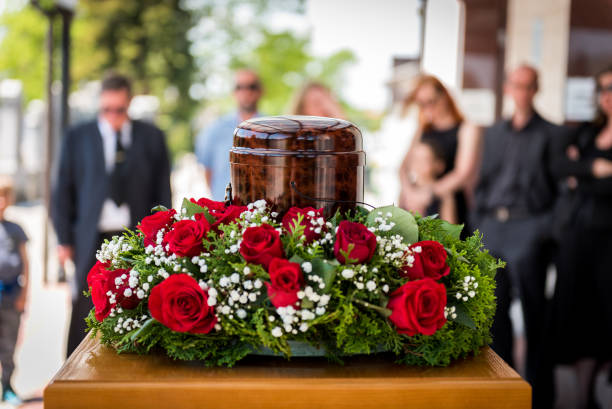
Hindu Crematorium Ground Hyderabad Traditional communities in India meet this final transition with warm hospitality and deep cultural devotion. Across both historic towns and modern neighborhoods, the active participation of the surrounding community underpins every step of the cultural farewell. These observances provide a structured cultural framework allowing society to express gratitude, care for grieving households, and pass on oral histories.
The Aesthetics of Preparation and Family Devotion
Processions of Honor: Community Unity
Cultural Feature
Traditional Medium
Symbolic Value
Dress Code
Unadorned White Textiles
Represents purity, equality, and shared grief.
Carrying Litter
Woven Bamboo and Foliage
Reflects connection to nature and traditional craftsmanship.
Wreaths
Marigolds and Jasmine
Conveys family devotion and visual honor.
Aromatics
Sandalwood Paste and Rosewater
Ensures sensory grace and natural care.
Regional Variations and Cultural Diversity
Kallahalli Crematorium Whether the final resting customs involve traditional earthen burials or ceremonial fire arrangements, the focus remains steadfastly on the cultural heritage of offering the individual back to nature's elements through practices that prioritize environmental respect and cultural grace.
Hospitality, Remembrance, and Social Continuity
Final Reflections: Honor, Artistry, and Unity
Kengeri Crematorium The funeral customs of India offer a rich tapestry of deep-seated hospitality, cultural elegance, and mutual care. By handling personal farewells with public grace and communal support, these customs prove the enduring value of shared hospitality and tradition. With delicate floral craft, peaceful white processions, distinct regional arts, and open-door hosting, this heritage celebrates the completed life of every member while building stronger, more united neighborhoods for the future.